The main sign
The «P» identifies parking spaces. Its accompanying information explains the permitted users and parking rules.
A clearly signed car park explains the rules before a driver parks.
Who may park? For how long? At what times and under which conditions? Clear signs help visitors make the right choice and entitled users keep their spaces available.
Signs, supplementary plates and ground markings jointly identify who the spaces are for and which rules to follow. Clear presentation helps drivers understand the arrangements on arrival.
The «P» identifies parking spaces. Its accompanying information explains the permitted users and parking rules.
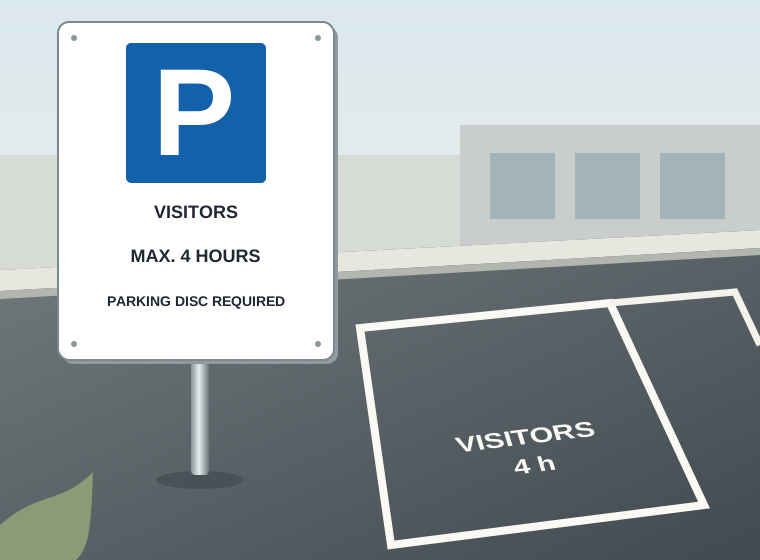
«Visitors», «maximum 4 hours», «parking disc required» and operating hours define permitted users and conditions. Read them together.
Lines define the space. Numbers, symbols and wording such as «VISITORS» identify the bays concerned and should match the sign.
An entrance sign communicates the rules shared across the car park before drivers park: permitted users, maximum stay, required parking disc, operating hours and any payment. Signs at individual spaces then identify specific allocations.
Example: «Private car park for customers and visitors. Maximum 4 hours. Parking disc required. Respect reserved spaces.» For different operating hours, also show paid periods and how to access payment.
1
Where a parking disc is required, it must be visible and show the arrival time in accordance with the car park conditions. A missing disc, like exceeding the permitted stay, breaches the parking rules and may lead to the handling provided for that car park.
State «visitors», the maximum stay and «parking disc required» together. The disc is part of the conditions of use; displaying it does not remove the obligation to respect the bay’s allocation.
2
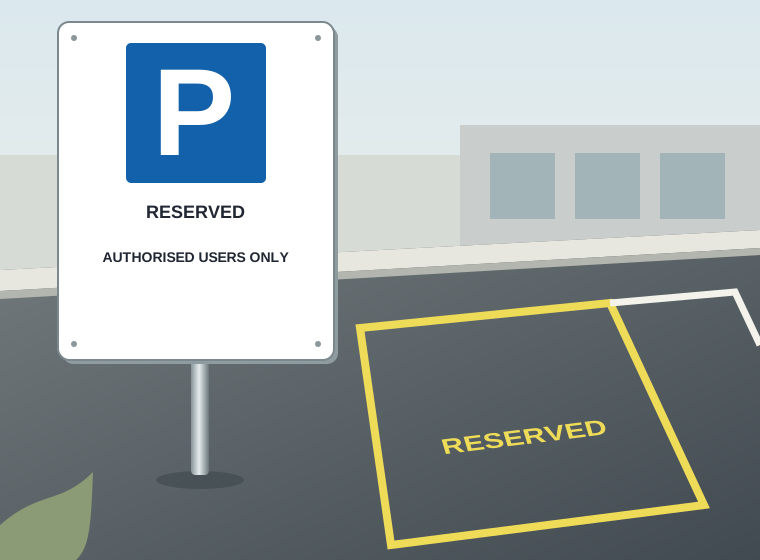
«Reserved» is more helpful when it says for whom: staff, customers, patients, tenants or permitted vehicles. Space numbers and ground markings can reinforce the message.
Explain how permission is recognised: a permit sticker, registered number plate or another system actually in use.
3
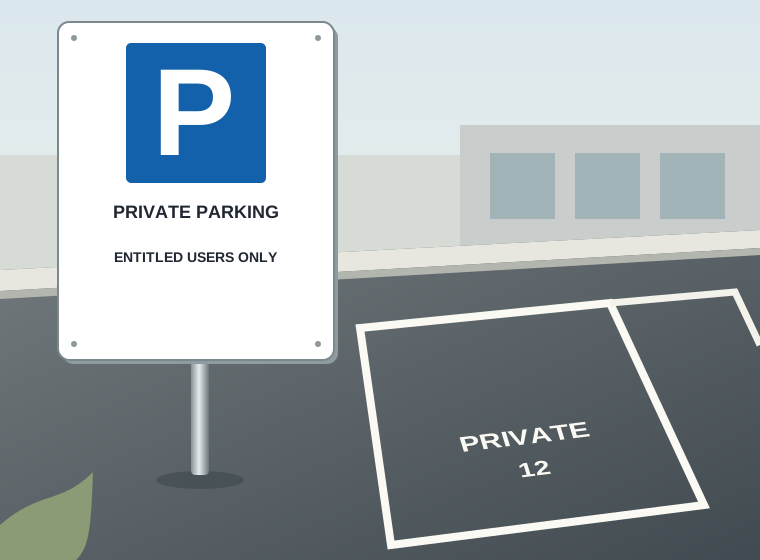
A «Private parking» sign reminds drivers that spaces are for entitled and authorised users. Identifying the users or individual bays helps drivers respect that reservation.
Place the message where it can be seen before entry, without obscuring existing signs.
4
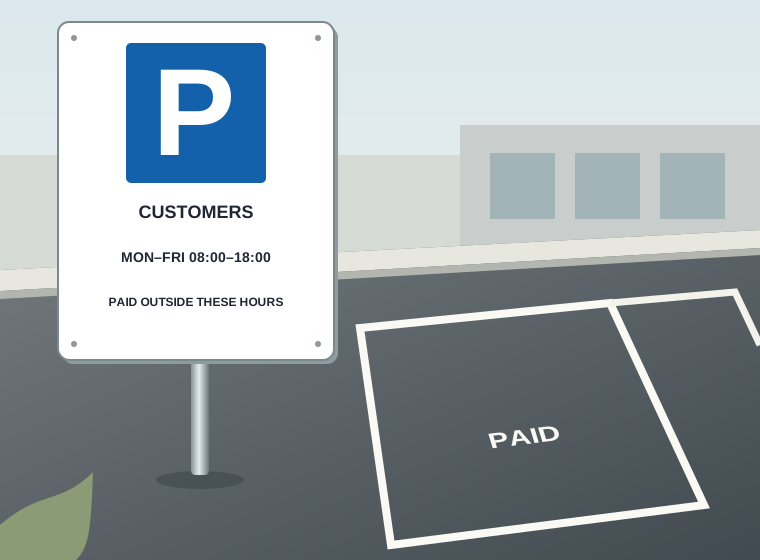
A car park may be reserved for customers during opening hours and offered as paid parking in the evening or at weekends. Separate time periods, permitted users and payment arrangements clearly.
The example includes an overnight period crossing midnight. Define Sundays, public holidays and the time by which vehicles must leave. Payment must not imply permission to stay during reserved hours.
The symbol communicates the main rule; supplementary wording specifies the site, times or authorised users. Match the signage to the site’s use and the applicable requirements.
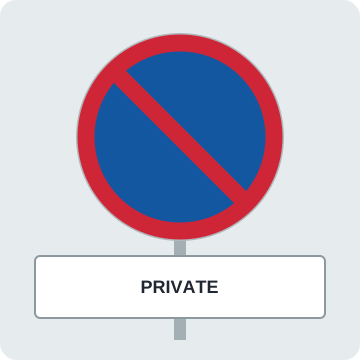
2.50 · No parking
The blue circle with a red diagonal prohibits parking in the area concerned. On private land, a «Private» plate can identify the setting; times and authorised users can be specified to match the site arrangements.
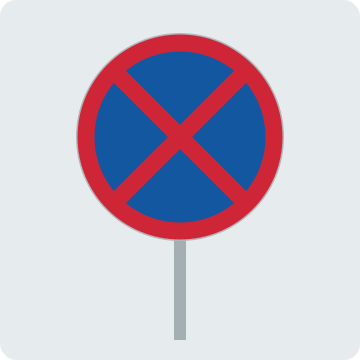
2.49 · No stopping
The red cross on blue prohibits voluntary stopping and parking. It keeps entrances and areas that must remain clear available for use.
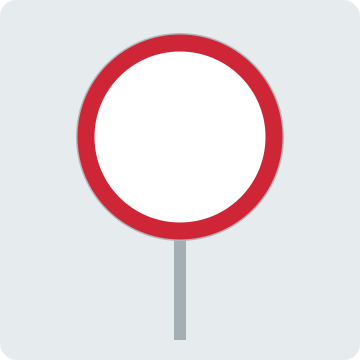
2.01 · General prohibition of vehicular traffic in both directions
The white disc with a red border prohibits the vehicles concerned from entering. Unauthorised drivers must not enter the area to park there.
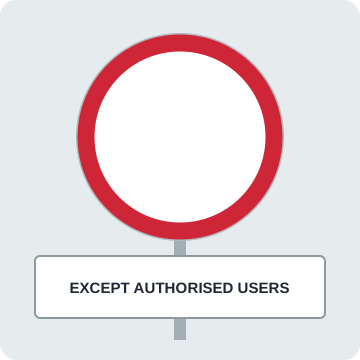
Example: «Except authorised users»
The supplementary plate identifies who benefits from the exception. Only those users may enter under that permission and must then follow allocated spaces, hours and parking conditions.
Colours help identify parking bays and their allocation quickly. Drivers must respect the permitted users, maximum stay and conditions displayed at the car park.
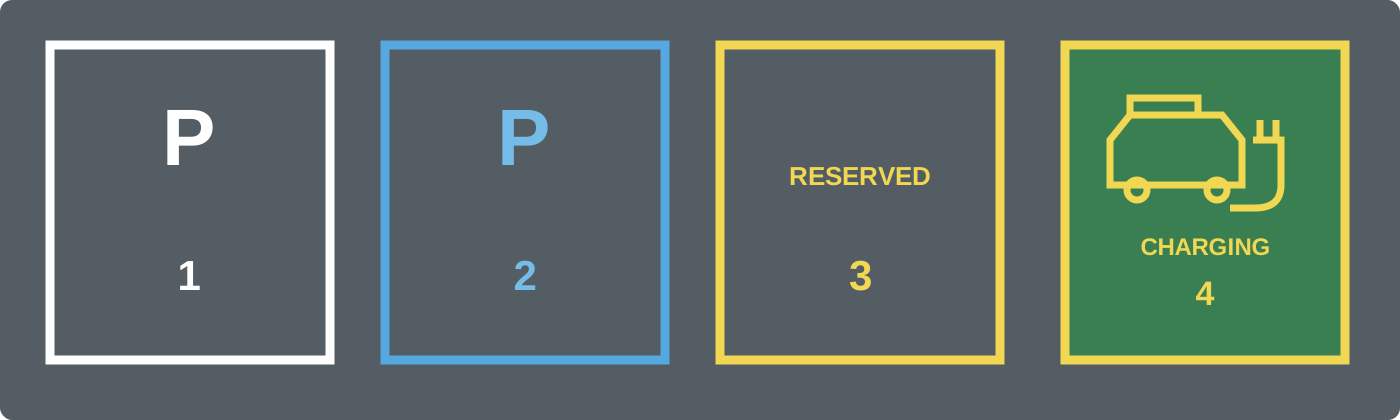
Commonly outlines parking bays. A white space is not necessarily free or unrestricted in duration.
Blue bays are used according to their signage and applicable parking-disc rules. Follow the displayed duration and hours, including the stated conditions for private spaces with a defined maximum stay.
A yellow bay is reserved for a particular use or group: entitled users of private spaces, customers, visitors or other authorised users. It is not available for everyone to use; other vehicles must not park there. Yellow markings can also indicate a parking prohibition.
Charging bays may have a green surface with a yellow boundary and charging symbol. They are reserved for electric vehicles while actively charging. Once charging ends, vacate the bay for the next vehicle.
«VISITORS», «CUSTOMERS», «PRIVATE», bay numbers and authorised registration numbers identify spaces and their allocation. Visible signs reinforce this guidance, help users follow the rules and assist checking.
Use the same descriptions at the entrance and individual bays. Maintain lettering and markings regularly to keep the parking arrangements easy to understand.
The sign, payment page and checking process should communicate the same hours, rates, duration and permissions. A link or QR code can open the car park’s page; the essential conditions should also remain readable on site.
Identify entrances and the spaces concerned. A sign hidden by a vehicle, tree or open gate will be of little help.
Short headings, strong contrast and a suitable size make signs easier to understand. Keep secondary details separate.
The displayed hours and conditions must match the rules actually applied. Avoid old signs that contradict new ones.
Check the owner’s or manager’s agreement, condominium rules and any local requirements.
Signs, ground markings and tickets support parking management and the rights of authorised users. Choose wording consistent with the car park rules and the handling agreed with Security Parking.
Where a judicial parking prohibition exists, its signage forms part of the site arrangements. We can help align entrance information, signs at individual bays and notices used during checks. Applicable requirements for official signage must be respected.
Dimensions, colours, rules and site identification can be adapted. Materials and fixings depend on exposure and installation location. Contact us to define signage consistent with your parking arrangements.
Discuss my signageIllustrative examples: wording, hours and permissions must be adapted to each car park.